
Ask for a Free Consultation Today!
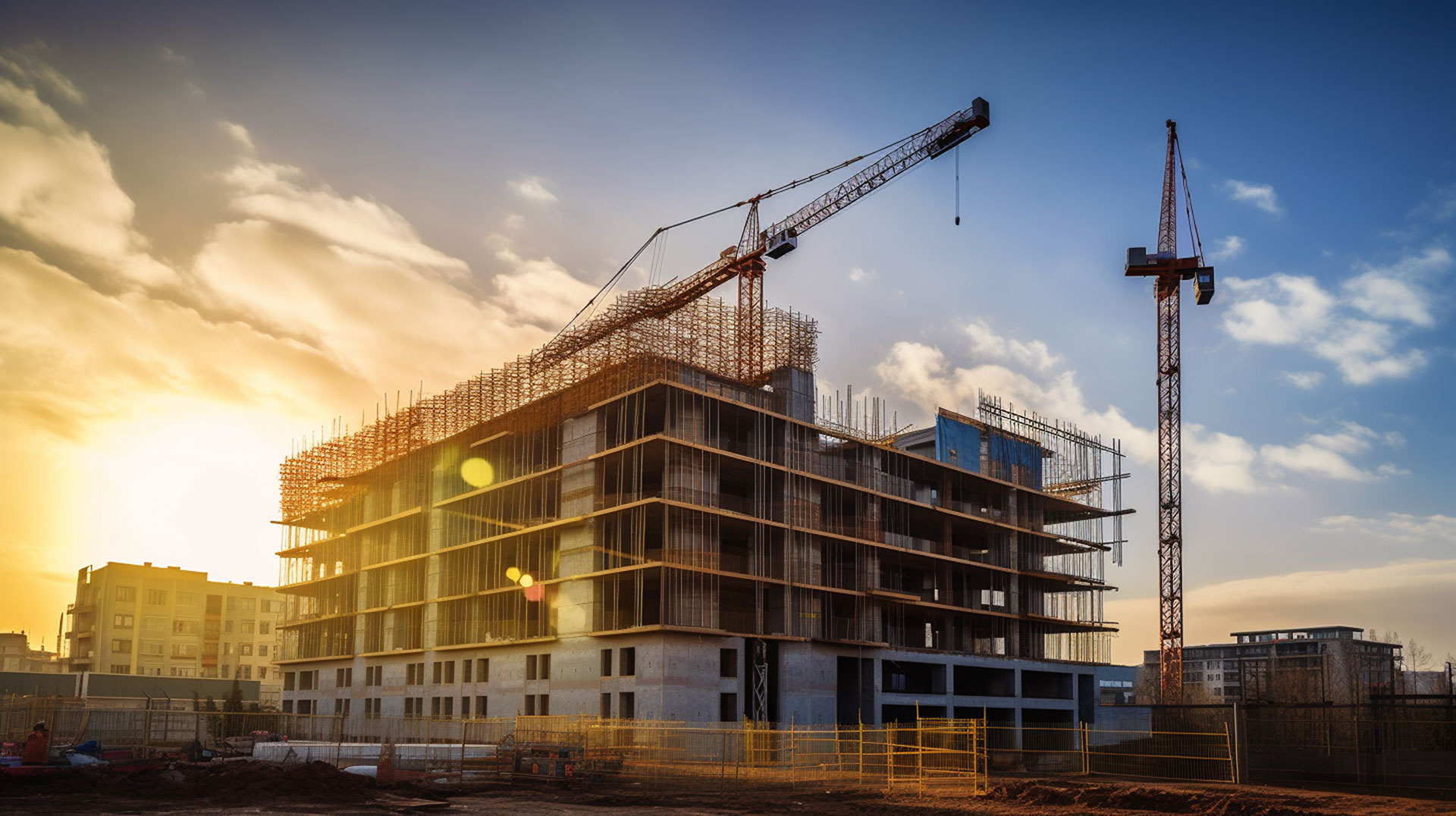
Comprehensive Legal Support for Massachusetts Construction Projects
Lipton Law Group represents property owners, general contractors, subcontractors and suppliers in a range of construction matters including contract law, zoning, construction defects, insurance, and dispute resolution. Our deep understanding of these areas is what makes us a valuable resource for our clients in the construction industry in Massachusetts, as it helps to avoid legal pitfalls and ensures smooth project execution.
Key Areas of Construction Law in Massachusetts
Contracts and Bidding
One of the most critical aspects of construction law is contract formation and enforcement. Contracts in construction specify the obligations of all parties involved—typically, the property owner, general contractor, subcontractors, and suppliers. In Massachusetts, contract law is particularly relevant in public works projects, which are bound by strict bidding procedures. Bidding on public construction projects is governed by Massachusetts General Laws Chapter 149, which mandates a fair, competitive process to prevent corruption and ensure the use of qualified contractors.
Private construction contracts, though less regulated than public contracts, still require careful drafting and negotiation. Common terms to consider include project scope, deadlines, payment schedules, and dispute resolution processes. Because construction projects can be complex and involve numerous parties, ensuring that contracts are clear and comprehensive is critical to avoid future disputes. Legal review and negotiation at the outset can mitigate risks related to delays, changes in project scope, and unforeseen costs.
Zoning and Permitting
Massachusetts has specific zoning laws and permitting requirements that regulate land use, building specifications, and environmental protections. These laws ensure that construction aligns with the state’s broader urban planning goals and environmental policies. Zoning boards and local authorities issue building permits, often requiring detailed plans that meet all safety and environmental regulations. The Massachusetts Zoning Act, Chapter 40A, authorizes municipalities to control the development and use of land, which can affect everything from building height to lot size.
Developers often face challenges navigating zoning laws, particularly in urban areas where space is limited. For instance, if a property owner wants to alter the existing use of a property or make substantial changes to its structure, they may need to obtain variances or special permits. Failure to secure the proper permits or comply with zoning laws can lead to costly delays, fines, or even project termination.
Construction Defects and Liability
Construction defects are a common source of disputes in Massachusetts. A defect might involve poor design, substandard materials, or flawed workmanship, leading to property damage or reduced property value. Massachusetts follows a “statute of repose” in construction defect cases, providing a time limit within which property owners can bring claims against contractors and other parties. The statute of repose in Massachusetts is six years from the date of substantial completion, while a statute of limitations generally provides three years from the date a defect is discovered.
Liability can also extend to product manufacturers or architects, depending on the nature of the defect. In many cases, general contractors carry liability insurance to cover such claims, although contractual waivers and limitations on liability may apply. Addressing potential liability early, through contract clauses and insurance, is essential for project protection.
Dispute Resolution
Disputes in construction are almost inevitable, and resolving them quickly is often a priority. In Massachusetts, construction disputes can be resolved through litigation, mediation, or arbitration. Arbitration clauses are common in construction contracts, as arbitration tends to be faster and less costly than litigation. Mediation offers a collaborative solution for parties willing to negotiate, while litigation is the most formal and often the most time-consuming method.
Expert Guidance for Navigating Massachusetts Construction Law
Construction law in Massachusetts is multifaceted, with regulations that influence every phase of a construction project. From contract formation and zoning compliance to defect liability and dispute resolution, understanding these legal principles is crucial. Lipton Law Group provides developers and contractors with guidance and resources they need to navigate Massachusetts’s construction laws and keep their projects on track and protect their investments.
GET STARTED TODAY