
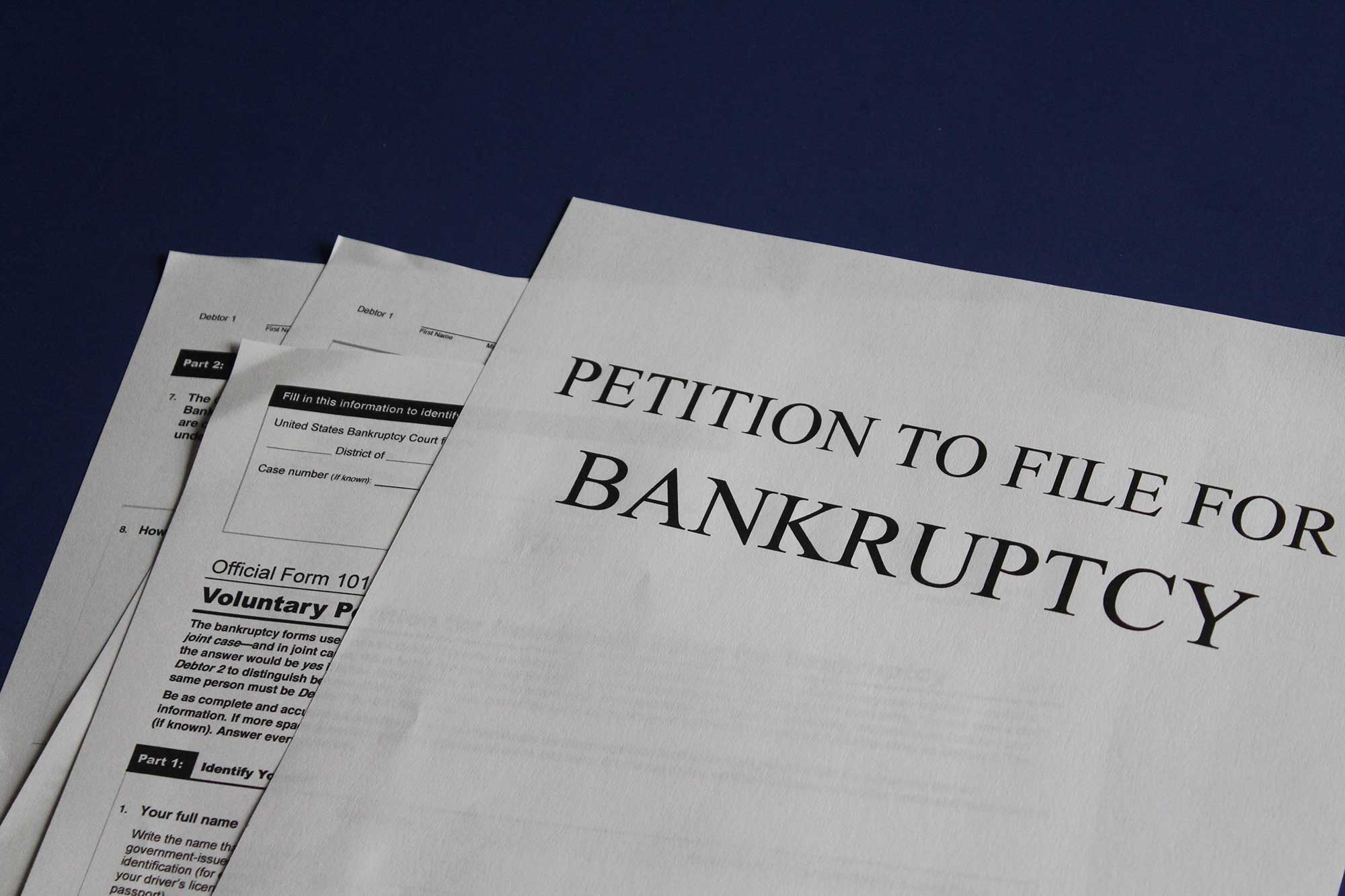
If you have fallen three or more payments behind on your mortgage, you may have begun receiving foreclosure notices from your mortgage company. If you’re behind on payments and have been unable to work out a payment plan with the bank, your property could be sold at foreclosure to satisfy the mortgage. In Massachusetts, foreclosures are “non-judicial” meaning the mortgage holder does not have to file a court action against you to foreclose as the terms of the mortgage. Massachusetts law allows mortgage holders to foreclose if you’ve defaulted and failed to cure the default. While the homeowner is entitled to file a court action to challenge the foreclosure, if you have not made the payments, you don’t likely have a strong chance of stopping it state court for any significant time. However, there is one option that will, in almost all cases, stop foreclosure and give you an opportunity to keep your home: filing for bankruptcy.
Bankruptcy and the Automatic Stay
When a person files for bankruptcy, there is an “automatic stay” of all debt collection that prohibits creditors from taking any action against you or your property, including foreclosing a mortgage. As its name implies, the automatic stay goes into effect immediately upon filing for bankruptcy. This means that if a property is scheduled to be foreclosed on July 31 at 12:00, and the owner files bankruptcy on July 31 at 11:45, the foreclosure must be stopped and cannot go forward. The automatic stay is a very powerful and effective tool available to people facing foreclosure. The length of time a bankruptcy filing will delay or stop a foreclosure will depend upon which type of bankruptcy you choose to file and each person’s particular circumstances.
Stopping Foreclosure with Chapter 13 Bankruptcy
When a person files Chapter 13 Bankruptcy, they propose a plan to pay their debts, or a portion of them, through a plan approved by the Bankruptcy Court and administered by a bankruptcy trustee. Chapter 13 Plans typically last from 36-60 months, depending on how much debt is being paid and the debtor’s income. Chapter 13 plans allowed debtors to catch up on their back payments, or “cure the arrears”, in equal installments over a period of up to five years while making their regular mortgage payments. So, for instance, if you were $30,000 behind on your mortgage payments, your Chapter 13 Plan would allow you to get caught up by paying an additional $500 each month on your mortgage payment, so that you would be current after 60 months. After the payments are complete, the mortgage is in good standing once again. During the time a person is in bankruptcy and making payments under the plan, the automatic stay continues to protect them and their property from foreclosure. In addition to curing mortgage arrears, Chapter 13 can also eliminate most credit card and medical debts at the same time.
Stopping Foreclosure with Chapter 7
Unfortunately, in some cases, keeping a house subject to a mortgage is just not possible due to insufficient income, perhaps due to illness, divorce, or long-term unemployment. In those instances, you can still get meaningful relief from a bankruptcy filing. The automatic stay applies to Chapter 7 cases, just as it does in Chapter 13 cases. However, in Chapter 7, there is no payment plan and no right to cure a default. A typical Chapter 7 case lasts only 3-6 months and, once it is over, the automatic stay is no longer in effect, meaning a mortgage holder can simply resume the foreclosure again. In some instances, the bank may file a request asking that the stay be lifted during the case so that they can start foreclosure again even before the end of the bankruptcy. However, in most cases, Chapter 7 will delay a foreclosure anywhere from 4-6 months giving the homeowner time to plan for the next chapter in their lives.
Limits and Exceptions to the Automatic Stay
The automatic stay is extremely broad both in the type of creditors it stops and the range of actions it prohibits. The automatic stay not only stops foreclosures, but it also stops demand letters, phone calls, lawsuits, wage garnishments, repossessions, and even tax collections. The only major exceptions to this are actions to establish paternity and child support, criminal proceedings, and regulatory enforcement actions. The only major limitation on the automatic stay’s effect on foreclosure is that it the bankruptcy must be filed before the foreclosure takes place. Two additional exceptions apply in cases of repeat bankruptcy filings. Where a debtor has had a previous case dismissed within one year of filing bankruptcy, the automatic stay ends 30 days after the filing of the second bankruptcy, unless the court extends it for cause. Where a debtor has had two or more bankruptcy cases pending within a year of filing, the automatic stay does not apply at all and may only be imposed upon a showing of good cause by the debtor.
Don’t Lose Your Home to Foreclosure
Attorney Marques Lipton has helped hundreds of Massachusetts homeowners save their homes from foreclosure. If your home is in any stage of the foreclosure process, Lipton Law Group can help you save it. He has helped hundreds of Massachusetts homeowners stop foreclosure and keep their homes. Call the Lipton Law Group for a free, confidential consultation with Attorney Lipton today.